

Travelling to an EU country as a non-EU citizen is about to get a bit of a shake-up, and yes, us. Brits are considered non-EU (thanks, Brexit!). For all of you lucky EU citizens, rest easy, safe in the knowledge that neither of the things I’m about to mention will affect you.
Two new schemes are coming into play. The first is the EU Entry/Exit scheme (EES), which is going to start coming into play in some locations from October 2025, with a full roll-out being completed by the Spring of next year.
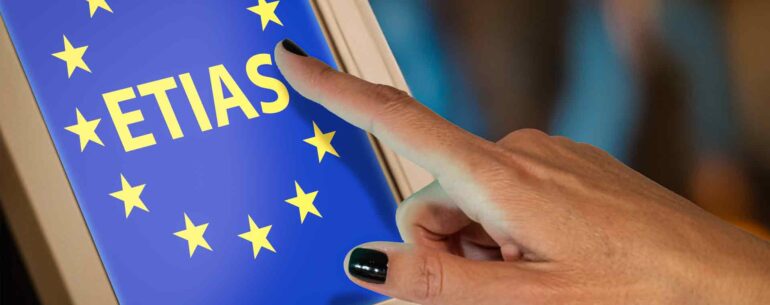
The second scheme is known as the European Travel Information and Authorisation System (ETIAS). This one isn’t expected to be introduced until late 2026, so this should give everyone enough time to understand the changes and what they will mean for people looking to travel.
The new EES system is the more invasive of the two; essentially, it will replace the physical stamps you would receive in your passports when going in and out of your destination. Bad news for all the stamp collectors out there, no doubt. Instead, the EES is an electronic system that registers your movements when crossing borders. This also includes having scans taken of your passports, fingerprints, and a photograph of your face (note to self: make sure to get enough sleep the night before my flight). This information is held securely for 3 years, so you shouldn’t have to faff around with getting your scans taken every time you travel; however, one can only imagine the chaos that is going to ensue when this system is first implemented, as there will be scores and scores of people waiting in line to go through process. Make sure you have a podcast and some comfy headphones ready, that’s all I’ll say.
Phew, so if that’s the EES, then what is the ETIAS? Simply put, it’s a travel authorization for people from visa-exempt countries. So, it’s kind of like a visa for people who don’t need a visa. And yes, that includes us Brits. Sigh. A complete list of countries that require their citizens to apply for an
ETIAS is available online, so check ahead to avoid any problems at the airport. You must apply for one before you travel, which costs €20 per person. Fortunately, it is free.
If you are under 18 or over 71, you won’t need to fork out an extra €100 if you have five little ones running amok (though they will still need to go through the aforementioned EES scans, even if they’re a baby!).
Just be careful – it is reported that fake ETIAS websites are already starting to crop up all over the internet, so when the time comes to actually start applying for this next year, make sure you are using the official website!
All in all, these changes are going to make travelling in and out of the EU a bit more of a pain, as well as a bit more expensive. As mentioned, though, the EES and ETIAS each last 3 years, so at least you won’t need to worry about them every time. And ultimately, all of these new checks and scans are designed to help keep us safe, and who wouldn’t want that?





Leave a Reply
You must be logged in to post a comment.